


25 NovHow Michigan Businesses Handle Non-Hazardous Liquid Waste
A holding tank is nearly full, a process sump needs pumping out, and the waste profile on file is several years old. Before a Michigan business schedules a truck, it needs to know what the liquid contains and where it can be accepted. Calling a material non-hazardous is the start of that conversation, not permission to dispose of it anywhere.
This guide explains how to prepare a non-hazardous liquid waste stream for pickup, what information a disposal provider will need and how to keep a routine service from turning into an avoidable production problem.
Determine what the waste actually contains
Industrial wastewater, wash water, spent process fluids and water-based cleaning residues may be non-hazardous, but the name of the process does not determine the classification. Contaminants, ingredients and changes during use matter. Two tanks containing similar-looking liquid may need different handling.
Start with a documented waste determination using appropriate process knowledge and testing where needed. The EPA's hazardous waste identification guidance explains the distinction between listed hazardous wastes and wastes that exhibit a hazardous characteristic. Michigan requirements must also be considered.
Review the profile when raw materials or the process change, or when an unexpected material enters the stream. An old analysis may not describe today's contents. Do not mix unknown liquids into a characterized tank just to simplify a pickup.
Understand Michigan's liquid industrial by-product requirements
Many non-hazardous industrial liquids are managed under Michigan's liquid industrial by-product requirements in Part 121. Whether a particular material falls under those requirements, or an exclusion applies, depends on the material and circumstances. Non-hazardous does not mean unregulated.
Michigan EGLE's Liquid Industrial By-Product Generator Requirements covers characterization, storage, transport and shipping documentation. Use that guidance with your environmental compliance lead to confirm the requirements for your operation.
Keep streams separate and storage controlled
Routine storage practices make a significant difference before a vacuum truck arrives:
- Identify each tank or container. Keep the contents and associated waste profile clear to the people managing the area.
- Separate incompatible and unknown materials. Mixing can change the classification, create a reaction or make an otherwise acceptable load unsuitable for the intended facility.
- Keep containers sound and closed. Address leaks and damaged fittings, and keep containers closed except when adding or removing material or as otherwise allowed by applicable requirements.
- Control releases. Use containment and spill-prevention measures appropriate to the material and site.
- Plan around usable capacity. Leave time for characterization and acceptance rather than waiting until the tank is full.
Never assume a floor drain, sanitary sewer or storm drain is an acceptable disposal route. Any discharge needs to be evaluated against the applicable authorization and local requirements.
Prepare the information needed for pickup
A clear description helps the service provider select equipment and confirm an appropriate destination. Have the following available:
- Waste profile, analytical results where applicable and a description of the generating process.
- Estimated volume, container type and the amount of settled material.
- Known chemical, temperature or handling concerns.
- Truck access, hose-route restrictions and the location of the transfer connection.
- Your preferred service window and the on-site contact responsible for the job.
Tell the provider if the work also involves sludge removal or cleaning a tank or pit. Pumping free liquid and removing settled solids are different job requirements, and the quote should reflect what is actually present.
Confirm the disposal route before transport
The receiving facility needs to be able to accept the specific waste stream. Characterization, facility acceptance and transport requirements should be addressed before the load leaves the site, not after the truck arrives at its destination.
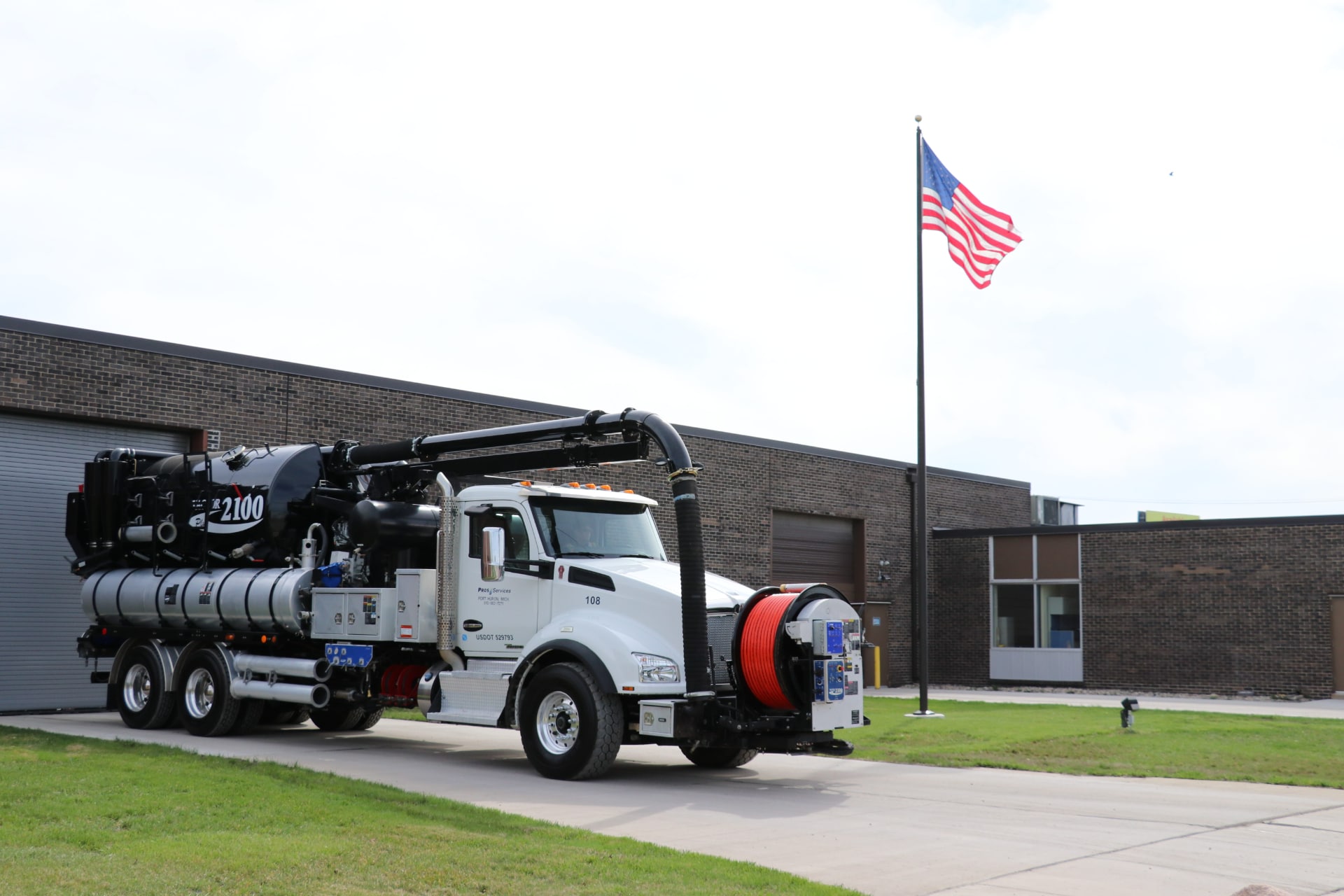
PROS Services provides liquid waste disposal services for Michigan businesses. After characterization and analytical reports are obtained, the team helps identify a suitable disposal facility and plans vacuum removal and transport around the material and site conditions.
Keep a usable record of every shipment
Keep characterization records and the applicable shipping documents together. EGLE's generator guidance identifies the shipment details required for liquid industrial by-products, including the generator, transporter, type and volume, shipment date and designated facility. Confirm receipt as required and retain the records for the applicable period.
For recurring waste streams, compare actual pickup volumes with production levels. That can help you adjust the service schedule before storage capacity becomes a constraint. Broader liquid waste management planning can cover several streams and recurring service needs.
Describe the waste stream, not just its everyday name
Terms such as wash water, oily water and process liquid are useful starting points, but they do not tell a receiving facility everything it needs to know. Two businesses can use the same name for liquids with very different contents. Describe the process that generated the waste, the materials involved and any changes that may affect the current batch.
For example, a routine equipment washdown may differ from a cleanup after an unusual release. A change in cleaning products or production inputs may also matter. Make those differences visible to the person evaluating the waste rather than assuming an older profile still applies. When information is incomplete, identify the gap before scheduling removal.
Safety data sheets can help explain the products used at the facility, but a product sheet alone does not necessarily describe the resulting waste. Ask the receiving facility or a qualified waste professional what additional information is needed. Any sampling or analysis should address the actual stream and the decision being made, rather than simply repeating an unrelated test.
Keep routine collection separate from unexpected material
A predictable waste stream is easier to plan around when its contents remain consistent. Establish who is allowed to add material to the collection point and how changes are communicated. A tank label is not enough if several shifts or contractors use the area without understanding what belongs there.
If an unknown liquid has been added, pause the assumption that the next load matches previous pickups. Notify the people responsible for waste management and explain what is known. Do not try to solve an acceptance problem by diluting the contents or combining the material with another waste stream. Mixing can create new handling concerns and change the available disposal options.
Routine housekeeping also supports reliable collection. Keep access routes clear, protect transfer points from damage and make sure the site contact knows where the material is stored. These steps do not replace the applicable storage requirements, but they help the collection team find the right tank and understand the planned scope.
Build a pickup plan around the actual condition of the tank
Estimated gallons are only one part of the job. Tell the provider whether the liquid contains settled solids, whether the tank has been serviced before and whether access has changed since the last visit. If a previous pickup left material behind, explain that history so the team can evaluate the work rather than assume a straightforward liquid transfer.
Agree on the boundary between pumping and cleaning. Removing accessible liquid may not include washing the tank, removing heavy sediment or preparing equipment for a different use. Ask what the proposed service includes and what would require additional evaluation. A clear scope helps the facility compare quotes on the same basis and plan around any remaining work.
Provide a realistic service window and an available site contact. If production cannot stop, explain the constraint early so the provider can assess the options. The facility should not improvise a bypass or move liquid into an unsuitable container simply to keep a scheduled appointment.
Review recurring service before capacity becomes urgent
A recurring pickup schedule should reflect how quickly the facility actually generates waste. Compare recent volumes, tank levels and production changes instead of relying only on the calendar. Seasonal demand, a new process or a longer production shift may change the amount collected even when the waste stream itself stays similar.
Keep a simple internal record of who checks capacity and who requests service. If the regular contact is away, another authorized person should be able to locate the waste information and explain the next pickup. This continuity is especially useful when characterization or facility acceptance needs updating.
Finally, review what happened after collection. Confirm the required shipment records and receiving documentation are available, and note access or equipment issues that should be addressed before the next visit. A well-documented routine makes the next removal easier to organize without treating every load as a brand-new job.
Common questions about non-hazardous liquid waste
Does non-hazardous mean the liquid is safe to pour away?
No. Waste classification does not authorize a discharge to a drain, sewer, soil or surface water. The handling and disposal route still need to meet applicable requirements.
Can different non-hazardous liquids share a tank?
Not automatically. Compatibility, the resulting waste profile and the receiving facility's acceptance requirements must be evaluated first.
Is every pickup handled the same way?
No. Volume, solids content, access, waste characteristics and facility acceptance can all change the equipment, paperwork and service plan.
Arrange a liquid waste pickup in Michigan
Call PROS Services at 810.982.7271 or contact our team with your waste profile, estimated volume and site location. We will help plan the next step for removal and disposal.
Recent Comments