What Is Drum Disposal?
19 NovWhat Is Drum Disposal?
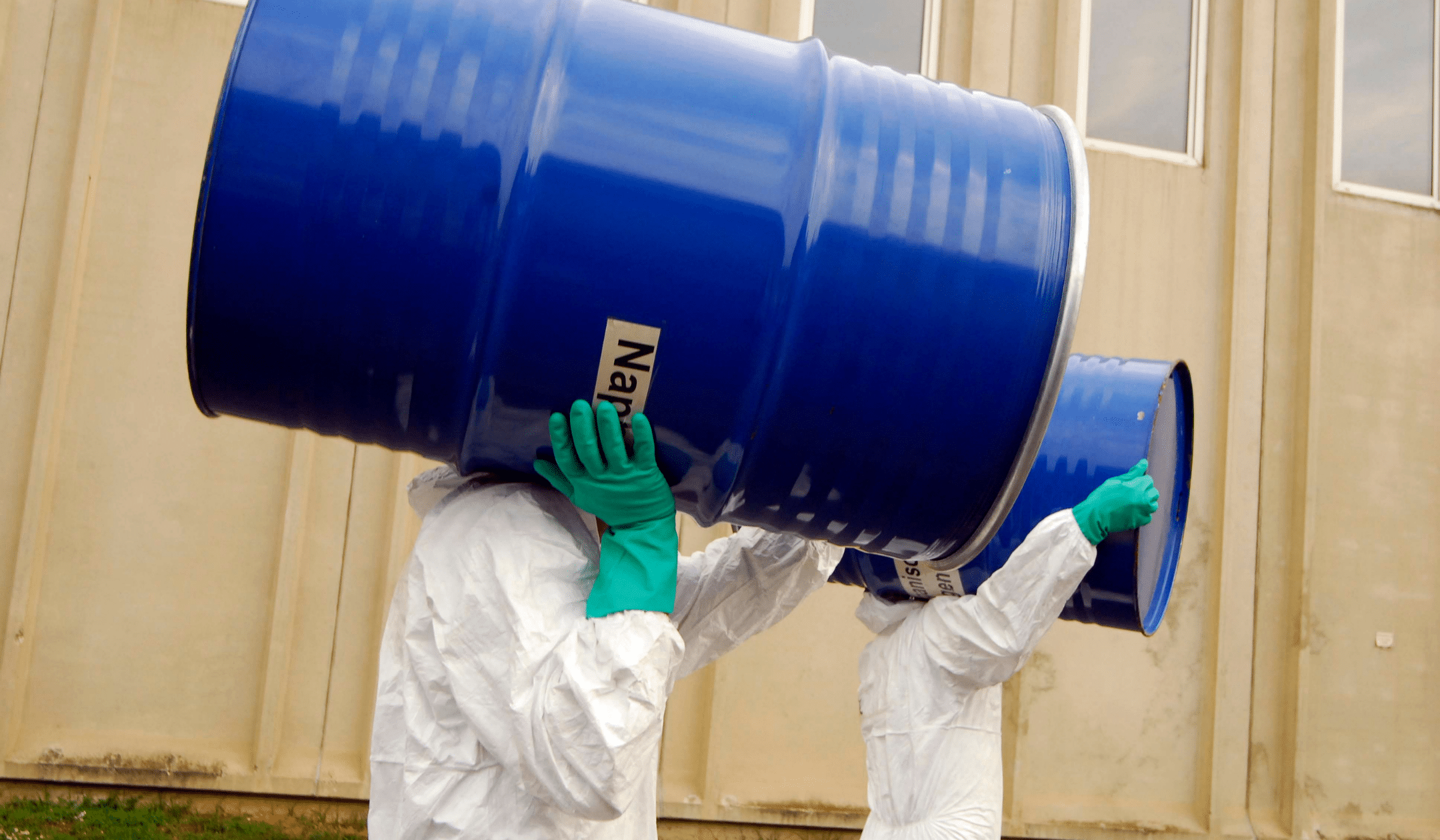
Waste drums are a common byproduct of industrial operations. Large drums are versatile, strong, and convenient for many purposes, but when it comes to disposal, you will probably need expert assistance. Disposing of waste drums is no small matter, as there are numerous rules and regulations in place that govern how this task must be handled. Working with a professional for waste drum disposal offers a wealth of benefits.
The Importance of Drum Waste Disposal
Improper drum waste disposal is one of the leading causes of EPA citations and fines. All companies must comply with local, state, and federal regulations regarding the proper disposal of waste drums. This includes packaging, labeling, and documenting all drums appropriately as they're on the way to disposal. Businesses can produce a wide variety of waste products, both hazardous and non-hazardous. However, it's important to note that even non-hazardous wastes require proper disposal. Professional drum disposal companies can ensure that all waste products receive proper handling.Types of Drum Waste Disposal
There are many options for drum waste disposal depending on the type of waste that you're dealing with. The best way to handle waste products is to reuse them within your own company when possible. However, in many cases, this simply isn't possible. This is where drum disposal companies come in. Depending on the products you're disposing of, you may have disposal options like:- Third-party use: In some instances, you may find a third party that can reuse your waste products, giving them a second life.
- Recycling: Recycling waste products like refined crude or synthetic oils can allow for resourceful reuse.
- Waste-to-energy disposal: Upon incineration, some waste products can act as an energy source.
The Process of Drum Disposal
Before any waste drum can be disposed of, it must first go through the appropriate cleaning process. Drums that previously contained hazardous wastes have a particularly rigorous set of standards that they must adhere to before disposal. These containers must be emptied properly until there is no more than one inch of residue in the bottom. A container up to 119 gallons must also contain no more than 3% of the hazmat by weight. Containers greater than 119 gallons can contain no more than 0.3% of the hazmat by weight. Containers that previously held acute hazardous waste must go through a triple-rinsing process or the equivalent with a solvent appropriate to the waste product. The specific requirements for this washing process vary by jurisdiction, so it's important to hire a professional who has expertise in this area. Enlisting the help of a professional for drum management and disposal will streamline your operations and help ensure compliance across all regulating bodies. Keep your business running smoothly by working with a reliable drum disposal company for all of your ongoing waste management needs.Recent Posts
Archives
- September 2025
- August 2025
- July 2025
- June 2025
- May 2025
- March 2025
- February 2025
- January 2025
- December 2024
- November 2024
- October 2024
- September 2024
- August 2024
- July 2024
- June 2024
- May 2024
- April 2024
- February 2024
- January 2024
- December 2023
- November 2023
- October 2023
- September 2023
- August 2023
- July 2023
- June 2023
- May 2023
- February 2023
- January 2023
- December 2022
- November 2022
- October 2022
- September 2022
- August 2022
- July 2022
- June 2022
- May 2022
- April 2022
- March 2022
- February 2022
- January 2022
- December 2021
- November 2021
- October 2021
- September 2021
- August 2021
- July 2021
- May 2021
- November 2020
- October 2020
- August 2020
- July 2020
Recent Comments