


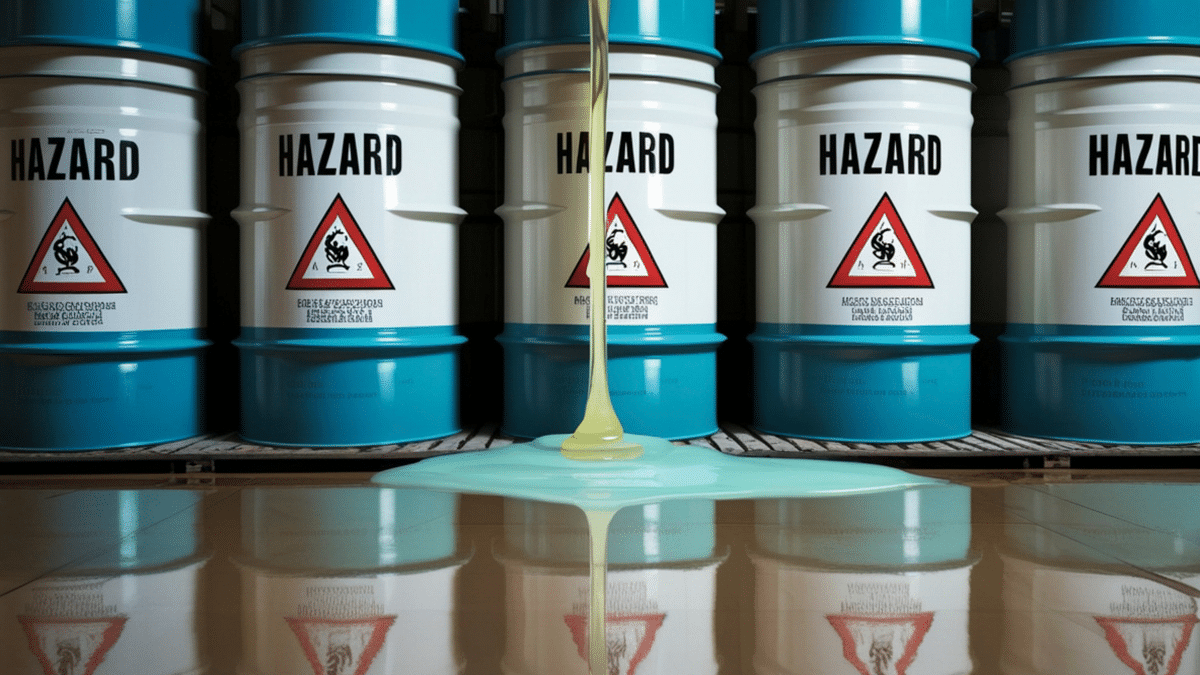
21 JulEmergency Spill Response: How to Plan, Comply, and Protect Your Facility
A chemical spill at an industrial facility can escalate from a minor incident to a major environmental and safety crisis in minutes. Without a clear response plan, trained personnel, and the right equipment on hand, what starts as a small leak can result in contaminated soil, polluted waterways, worker injuries, regulatory fines, and costly remediation.
For industrial facilities in Michigan, emergency spill response is not just good practice. It is a legal requirement backed by federal EPA regulations, OSHA standards, and Michigan EGLE enforcement. This guide walks facility managers and environmental health and safety (EHS) professionals through the fundamentals of spill response planning, regulatory compliance, and choosing the right response partner.
Why Emergency Spill Response Planning Matters
Spills happen. Even the most well-run facilities experience equipment failures, human errors, and weather events that can lead to unplanned releases. The difference between a manageable incident and a disaster often comes down to preparation.
Regulatory compliance: EPA regulations, including the Spill Prevention, Control, and Countermeasure (SPCC) rule, require certain facilities to maintain written spill prevention and response plans. Michigan EGLE adds state-level requirements for reporting and cleanup. Facilities that lack proper plans face enforcement actions and penalties.
Financial protection: The cost of an uncontrolled spill can be staggering. Cleanup expenses, regulatory fines, legal liability, property damage, and business interruption losses can quickly reach hundreds of thousands of dollars. A well-executed response plan minimizes these costs by containing the release quickly and preventing escalation.
Environmental responsibility: Industrial spills can contaminate soil, groundwater, storm drains, and surface water. In the Detroit metro area and throughout Southeast Michigan, facilities operate near rivers, lakes, and wetlands that are particularly sensitive to pollution. Fast, effective spill response protects these shared natural resources.
Worker safety: Many industrial chemicals pose immediate health risks through inhalation, skin contact, or fire and explosion hazards. A clear response plan ensures workers know how to protect themselves, evacuate if necessary, and avoid making the situation worse.
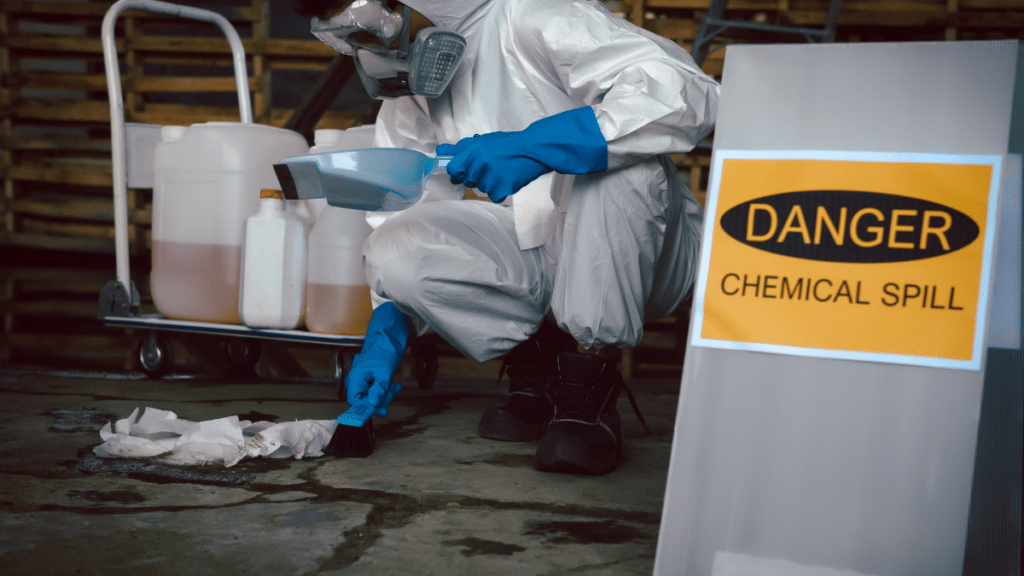
Key Federal Regulations for Spill Response
Several federal regulations govern how industrial facilities must prepare for and respond to spills. Understanding these requirements is essential for compliance.
SPCC Rule (40 CFR Part 112)
The Spill Prevention, Control, and Countermeasure rule applies to facilities that store, process, or use oil and petroleum products in quantities exceeding 1,320 gallons in aboveground containers (or 42,000 gallons underground). Covered facilities must develop and implement a written SPCC Plan that includes:
- A description of all oil storage containers, locations, and capacities
- Secondary containment specifications for each storage area
- Spill prevention measures and inspection schedules
- Emergency response procedures and contact information
- Training requirements for personnel
- Professional Engineer (PE) certification of the plan
EPCRA and Emergency Planning (42 USC 11001-11050)
The Emergency Planning and Community Right-to-Know Act requires facilities that store or use hazardous chemicals above threshold quantities to report their inventories to local emergency planning committees (LEPCs) and fire departments. This information helps emergency responders prepare for incidents at your facility.
CERCLA Reportable Quantities (40 CFR Part 302)
The Comprehensive Environmental Response, Compensation, and Liability Act (CERCLA) requires immediate reporting of releases of hazardous substances that exceed reportable quantity (RQ) thresholds. Reports must be made to the National Response Center (NRC) at 1-800-424-8802 within 24 hours of the release.
OSHA HAZWOPER (29 CFR 1910.120)
OSHA's Hazardous Waste Operations and Emergency Response standard requires employers to develop emergency response plans for facilities that handle hazardous materials. Personnel who respond to hazardous substance releases must receive specific training based on their role, ranging from awareness-level training for all employees to 40-hour certification for hands-on responders.
Michigan EGLE Spill Reporting and Response Requirements
Michigan law adds important state-level requirements that facilities must follow in addition to federal regulations.
Immediate Notification
Any release of a hazardous substance, oil, or pollutant that could impact surface water, groundwater, or public health must be reported immediately to Michigan's Pollution Emergency Alert System (PEAS) at 1-800-292-4706. "Immediately" means as soon as the responsible party becomes aware of the release, not after the spill has been cleaned up.
Part 201 Environmental Remediation
Michigan's Part 201 governs the investigation and cleanup of contaminated sites. If a spill contaminates soil or groundwater above state cleanup criteria, the responsible party may be required to conduct a full environmental investigation and remediation under EGLE oversight. This process can extend for years and cost significantly more than the initial spill response.
Part 31 Water Resources Protection
Releases that reach or threaten surface waters are subject to Michigan's Part 31 regulations. EGLE can require immediate containment, cleanup, and monitoring to protect water quality. Facilities near rivers, drains, and storm sewer systems in the Detroit metro area must be especially vigilant about preventing off-site migration of spilled materials.
Building an Effective Spill Response Plan
A strong spill response plan is specific to your facility, realistic about your risks, and practiced regularly. Here are the essential components.
1. Hazard Assessment and Chemical Inventory
Start by identifying every chemical, oil, and hazardous material stored or used at your facility. Document quantities, locations, container types, and the specific hazards each material presents. This inventory forms the foundation of your response plan and helps responders know exactly what they are dealing with during an incident.
2. Prevention Measures
The best spill response is one you never have to use. Prevention measures should include:
- Secondary containment (berms, dikes, drip pans) around all storage areas
- Regular inspection of tanks, containers, pipes, and transfer equipment
- Proper labeling and signage for all chemical storage areas
- Lockout/tagout procedures for maintenance activities involving chemicals
- Stormwater management to prevent runoff from carrying contaminants off-site
3. Response Procedures
Your plan should include step-by-step procedures for different spill scenarios, including small contained spills that internal staff can handle and large or hazardous releases that require professional response. Each procedure should address:
- Initial assessment and hazard identification
- Personnel protection (PPE requirements, evacuation criteria)
- Containment actions to stop the spread
- Notification chain (who to call internally and externally)
- Cleanup methods and waste disposal requirements
- Documentation and post-incident reporting
4. Equipment and Supplies
Maintain spill response kits strategically placed throughout your facility. Kits should be stocked with absorbent materials appropriate for your chemical inventory, including:
- Absorbent pads, rolls, and pillows (universal, oil-only, and chemical-specific)
- Containment booms and socks for perimeter control
- Drain covers and plugs to prevent storm drain contamination
- Personal protective equipment (gloves, goggles, respirators, chemical suits)
- Disposal bags and drums for contaminated materials
- Shovels, brooms, and hand tools for cleanup
5. Training and Drills
A plan is only as good as the people who execute it. Conduct regular training sessions and hands-on drills to ensure all personnel know their roles and can respond effectively under pressure. At minimum, training should cover spill recognition, initial response actions, PPE use, and notification procedures. Document all training activities for regulatory compliance.
6. Contractor Support
Large spills, hazardous materials releases, and incidents requiring specialized equipment or disposal capabilities often exceed what internal staff can handle safely. Identify and pre-qualify a professional emergency spill response contractor before you need one. Having a contract in place and response procedures coordinated in advance dramatically reduces response time when an incident occurs.
When to Call a Professional Spill Response Team
Not every spill requires outside help, but many do. You should contact a professional response team when:
- The spill involves hazardous materials that require specialized training and PPE to handle
- The release exceeds your internal team's containment and cleanup capabilities
- Material has reached or threatens to reach storm drains, waterways, or off-site areas
- The spill has created immediate health or safety hazards (fire risk, toxic fumes, oxygen displacement)
- Regulatory reporting thresholds have been exceeded
- Large-volume liquid waste needs to be collected and transported for proper disposal
- Contaminated soil or groundwater requires professional remediation
PROS Services operates a fleet of vacuum trucks and trained response crews available for emergency spill response throughout the Detroit metro area and Southeast Michigan. Our teams are equipped to handle oil spills, chemical releases, and hazardous waste incidents of any scale.
Spill Response Equipment and Services
Professional spill response contractors bring specialized equipment and expertise that most facilities do not maintain in-house.
- Vacuum trucks: High-capacity suction units for rapid recovery of spilled liquids from surfaces, containment areas, and waterways
- Absorbent deployment: Bulk quantities of specialized absorbent materials for large-scale containment and cleanup
- Pressure washing and decontamination: Hydro jetting equipment for cleaning contaminated surfaces, equipment, and structures
- Soil excavation and removal: Hydro excavation equipment for removing contaminated soil without damaging underground utilities
- Waste characterization and disposal: Laboratory analysis, waste profiling, and transportation to permitted disposal facilities
- Confined space entry: Certified confined space rescue teams for spills in tanks, vaults, and enclosed areas
Post-Spill Requirements and Follow-Up
The work does not end when the visible spill is cleaned up. Post-incident requirements often include:
- Regulatory reporting: File all required reports with EPA, EGLE, local agencies, and your LEPC within the specified deadlines
- Root cause analysis: Determine what caused the spill and implement corrective actions to prevent recurrence
- Environmental assessment: Sample soil, groundwater, and surface water as needed to confirm that cleanup goals have been met
- Plan updates: Revise your SPCC Plan or spill response procedures based on lessons learned from the incident
- Insurance notification: Report the incident to your environmental liability insurer as required by your policy terms
- Waste disposal documentation: Retain all manifests, analytical results, and disposal records for the required retention period (typically 3-5 years minimum)
Frequently Asked Questions
What should I do first if a chemical spill occurs at my facility?
Ensure the safety of all personnel first. Evacuate the immediate area if necessary, identify the spilled material if it can be done safely, and begin containment measures to prevent the spill from spreading. Then notify your facility's designated spill response coordinator and contact outside resources if needed.
How quickly must I report a spill in Michigan?
Michigan law requires immediate reporting to PEAS (1-800-292-4706) for any release that could impact surface water, groundwater, or public health. Federal reporting to the National Response Center (1-800-424-8802) is required within 24 hours for releases exceeding CERCLA reportable quantities.
Do I need a spill response plan if my facility only stores small quantities of chemicals?
Even facilities with small chemical inventories should maintain basic spill response procedures. The SPCC rule has specific thresholds based on oil storage capacity, but good practice and general duty clause requirements under OSHA mean that any facility handling hazardous materials should have documented response procedures.
How often should I update my spill response plan?
Review and update your plan at least annually, and whenever there are significant changes to your facility, chemical inventory, personnel, or operations. SPCC Plans must be amended within six months of any change that affects the plan's accuracy.
Protect Your Facility with PROS Services
Since 1954, PROS Services has been helping industrial facilities across Michigan manage environmental risks and respond to emergencies. Our emergency spill response team is available to help your facility prepare for and respond to spill incidents of any size.
We offer emergency response planning assistance, spill response equipment and personnel, industrial cleaning and decontamination, liquid waste removal and disposal, and environmental remediation support.
Contact PROS Services at (810) 982-7271 to discuss your facility's spill response needs or to schedule a consultation with our environmental services team.
Recent Comments