


19 MayCatch Basin Cleaning: Why Regular Maintenance Prevents Costly Repairs
Catch basins play a critical role in managing stormwater runoff at commercial and industrial properties. But without regular cleaning, they become clogged with sediment, trash, and debris, leading to flooding, foul odors, and expensive emergency repairs.
In this guide, we break down how catch basin cleaning works, how often it should be done, what to expect in terms of cost, and why hiring a professional service saves you money in the long run.
What Happens When a Catch Basin Isn't Cleaned?
A catch basin collects stormwater and filters out solids before water enters the storm sewer system. Over time, sediment, leaves, grease, sand, and other debris accumulate at the bottom of the basin. When that buildup goes unchecked, the consequences add up fast:
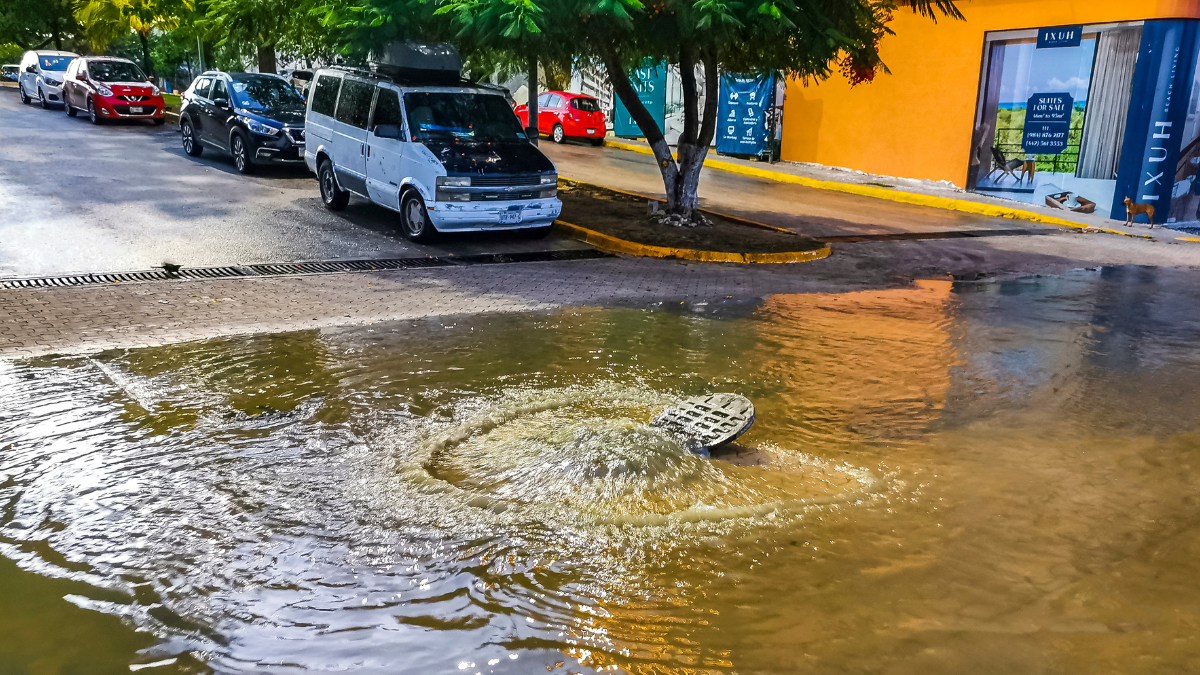
Flooding and standing water. A clogged basin can no longer drain water effectively. During heavy rain, this leads to pooling in parking lots, loading docks, or near building foundations.
Structural damage. Standing water erodes pavement, undermines foundations, and accelerates wear on concrete and asphalt surfaces.
Foul odors. Decomposing organic material trapped in the basin produces strong, unpleasant smells that affect employees, customers, and neighboring properties.
Pest infestations. Standing water attracts mosquitoes, rodents, and other pests that carry disease and create health hazards.
Regulatory violations. Municipalities and environmental agencies require property owners to maintain functioning stormwater systems. A neglected catch basin can result in fines or enforcement actions.
The cost of addressing these problems after the fact is almost always higher than the cost of routine cleaning.
How Catch Basin Cleaning Works
Professional catch basin cleaning follows a systematic process designed to remove all debris and restore full drainage capacity.
1. Inspection
Before any cleaning begins, a technician inspects the basin to assess the level of sediment buildup, check for structural damage, and identify any blockages in the connecting pipes. This step determines the right equipment and approach for the job.
2. Debris Removal
Using a vacuum truck, the technician suctions out all accumulated sediment, sludge, and solid waste from the bottom of the basin. Vacuum trucks are the most efficient method for this work because they can handle large volumes of wet and dry material quickly without creating a mess on the surface.
3. Jetting and Flushing
After the bulk material is removed, high-pressure water jetting clears any remaining buildup from the basin walls and the connecting drain pipes. This step is essential for restoring full flow capacity and preventing immediate re-clogging.
4. Final Inspection
The technician performs a post-cleaning inspection to confirm the basin is fully clear, the outlet pipes are flowing properly, and there is no structural damage that needs repair. If issues are found, they document them so the property owner can schedule repairs before the next storm season.
5. Proper Disposal
All waste material removed from the catch basin is transported and disposed of in compliance with local and state environmental regulations. This is one of the key reasons to hire a licensed professional rather than attempting the work yourself. Improper disposal of catch basin sediment can contain pollutants like heavy metals, oil, and chemicals that require special handling.
How Often Should You Clean Your Catch Basins?
The right cleaning frequency depends on your property and conditions, but here are general guidelines:
- Commercial properties (retail, office parks): At least once per year, ideally before the rainy season.
- Industrial facilities (manufacturing, warehouses): Every 6 months or quarterly, depending on the volume of runoff and potential contaminants.
- Construction sites: Monthly or as needed during active construction, since loose soil and materials accelerate sediment buildup.
- High-traffic areas (parking lots, loading docks): Twice per year at minimum.
A good rule of thumb is to schedule cleaning when sediment fills more than one-third of the basin's depth. Many facility managers schedule annual inspections and then adjust frequency based on what the technician finds.
How Much Does Catch Basin Cleaning Cost?
The cost of catch basin cleaning varies based on several factors:
- Basin size. Larger basins require more time, equipment, and disposal capacity.
- Number of basins. Servicing multiple basins on the same visit is more cost-effective per unit than scheduling individual cleanings.
- Level of buildup. Basins that have gone years without cleaning take longer to clear and may require additional jetting.
- Access and location. Basins in tight or hard-to-reach areas may require specialized equipment.
- Disposal requirements. If the sediment contains hazardous materials (oil, chemicals, heavy metals), disposal costs are higher due to regulatory requirements.
For most commercial properties, routine catch basin cleaning is a fraction of the cost of repairing flood damage, repaving a parking lot, or paying environmental fines. Investing in a regular maintenance schedule is one of the simplest ways to protect your property and your bottom line.
DIY vs. Professional Catch Basin Cleaning
Some property owners attempt catch basin cleaning themselves, but there are important reasons to consider a professional service:
Equipment. Effective cleaning requires a vacuum truck and high-pressure jetting equipment. Shoveling out debris by hand is slow, incomplete, and can damage the basin structure.
Disposal compliance. Catch basin sediment often contains regulated pollutants. A licensed service provider handles transport and disposal according to environmental regulations, keeping you compliant.
Safety. Catch basins are confined spaces. Working in and around them carries risks including exposure to toxic gases, falls, and structural collapse. Professional crews are trained and equipped for confined space entry.
Thoroughness. A professional cleaning includes jetting the connecting pipes and inspecting for damage, not just removing surface debris.
For facility managers responsible for multiple basins across a property, partnering with a professional service provider ensures consistent results and documentation for compliance records.
Keep Your Property Protected with Regular Catch Basin Cleaning
Neglecting catch basin maintenance is one of those problems that starts small and grows quickly. A little sediment turns into a clog, a clog turns into flooding, and flooding turns into costly repairs and regulatory headaches.
The solution is straightforward: schedule regular inspections and cleanings with a qualified service provider. You protect your property, stay compliant, and avoid the kind of emergency calls that always seem to happen during the worst possible weather.
PROS Services has been providing industrial cleaning and environmental services to Michigan businesses for over 50 years. Our vacuum truck fleet and certified crews handle catch basin cleaning for commercial and industrial properties of all sizes. Contact us online or call 810-982-7271 to schedule your next cleaning.
Recent Comments