


7 JulWastewater Transportation Services: Regulations, Compliance, and What Your Business Needs to Know
Every day, industrial facilities across Michigan generate thousands of gallons of liquid waste that must be safely removed and transported to licensed treatment or disposal sites. Wastewater transportation is not as simple as loading a truck and driving away. It involves strict federal, state, and local regulations designed to protect public health and the environment.
Whether your facility produces oily wastewater, chemical rinse water, contaminated stormwater, or other liquid waste streams, understanding the rules around wastewater transportation services is essential. Failing to comply can result in fines, legal liability, and environmental damage that costs far more than doing things right from the start.
In this guide, we cover everything facility managers and environmental compliance officers need to know about wastewater transportation, from federal and Michigan-specific regulations to choosing the right service provider.
What Are Wastewater Transport Services?
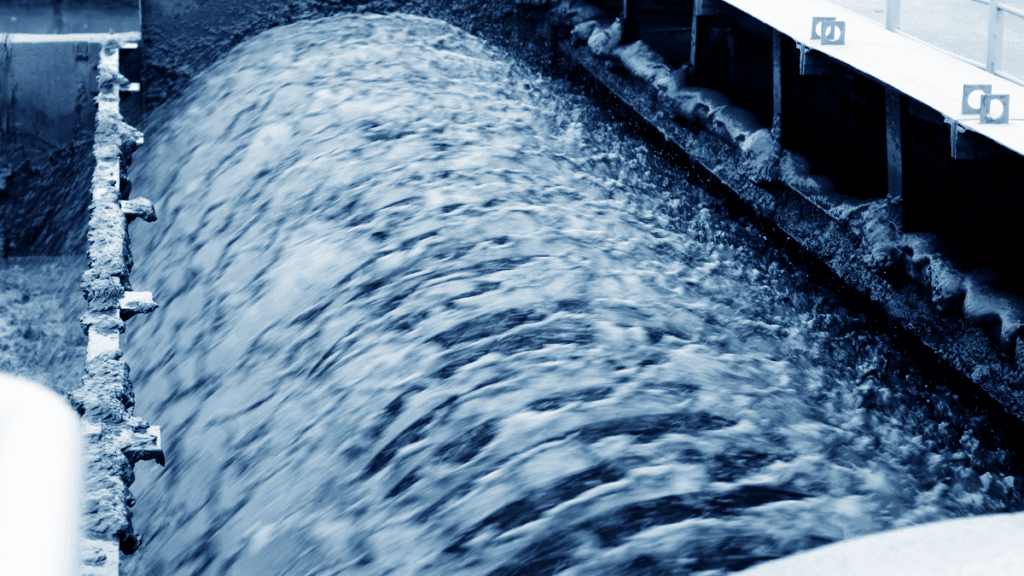
Wastewater transport services involve the collection, loading, hauling, and delivery of liquid waste from a generator site to a permitted treatment, recycling, or disposal facility. These services cover a broad range of liquid waste types, including:
- Industrial process wastewater from manufacturing, metalworking, and chemical production
- Oily water and petroleum-contaminated liquids from refineries, fuel terminals, and auto shops
- Contaminated stormwater and groundwater from remediation sites and construction dewatering
- Sanitary and septic waste from facilities without municipal sewer connections
- Sludge and slurry from tanks, pits, and settling basins
- Chemical rinse water and cleaning solutions from industrial cleaning operations
Licensed wastewater transporters use specialized equipment such as vacuum trucks, tanker trailers, roll-off containers, and pump systems to handle these materials safely. The goal is to move waste from the point of generation to the point of treatment without spills, leaks, or exposure to workers or the public.
Federal Regulations Governing Wastewater Transportation Services
Wastewater transportation falls under multiple layers of federal regulation. Understanding these requirements is the first step toward staying compliant.
Resource Conservation and Recovery Act (RCRA)
The EPA's RCRA program governs the management of hazardous and non-hazardous solid waste, including liquid waste. Under RCRA, waste generators must determine whether their wastewater is classified as hazardous waste. If it is, the transportation must follow hazardous materials transportation requirements, including proper manifesting, labeling, and use of licensed hazardous waste transporters.
Even non-hazardous liquid waste is subject to RCRA requirements for proper handling, record-keeping, and disposal at permitted facilities.
Department of Transportation (DOT) Regulations
The DOT regulates the transportation of hazardous materials on public roads under 49 CFR Parts 100-185. These rules cover vehicle specifications, driver training, placarding, packaging, and emergency response procedures. Any company transporting hazardous wastewater must have drivers with valid Commercial Driver's Licenses (CDLs) and hazardous materials endorsements.
Clean Water Act (CWA)
The Clean Water Act prohibits the discharge of pollutants into waters of the United States without a permit. Wastewater that is transported to a treatment facility must be delivered to a site with proper National Pollutant Discharge Elimination System (NPDES) permits. Illegal dumping or unauthorized discharge can trigger severe penalties under the CWA.
EPA Manifest System
For hazardous waste shipments, generators must use the EPA's Uniform Hazardous Waste Manifest (EPA Form 8700-22). This document tracks the waste from the point of generation ("cradle") to the final disposal or treatment facility ("grave"). Non-hazardous wastewater shipments typically require state-level tracking documentation rather than the federal manifest, though best practices suggest maintaining detailed records for all waste shipments.
Michigan-Specific Wastewater Transportation Requirements
Michigan adds its own layer of regulation through the Michigan Department of Environment, Great Lakes, and Energy (EGLE), formerly known as the DEQ. Facilities in the Detroit metro area and across Michigan must comply with these state-level requirements in addition to federal rules.
EGLE Part 121 Liquid Industrial Waste Regulations
Michigan's Part 121 of the Natural Resources and Environmental Protection Act governs the transportation and disposal of liquid industrial waste. Key requirements include:
- Transporters must be registered with EGLE and hold a valid Liquid Industrial Waste Transporter License
- All shipments require a completed Liquid Industrial Waste Manifest
- Waste must be delivered to a facility with proper permits for the specific waste type
- Vehicles must meet EGLE specifications for containment and safety equipment
- Manifests must be retained for a minimum of three years
NPDES Permits and Pretreatment Programs
If your wastewater is being delivered to a publicly owned treatment works (POTW) rather than a private treatment facility, the receiving POTW's pretreatment program may impose additional requirements. These can include constituent limits, pH requirements, and temperature restrictions that the wastewater must meet before acceptance.
Spill Reporting Requirements
Michigan law requires immediate reporting of any release, spill, or discharge of wastewater during transportation. The Pollution Emergency Alert System (PEAS) must be notified at 1-800-292-4706 for any spill that could impact surface water, groundwater, or public health. Failure to report spills promptly can result in additional fines and penalties. PROS Services maintains emergency spill response capabilities to handle these situations quickly and effectively.
Types of Wastewater That Require Professional Transportation
Not all liquid waste is the same, and different waste streams require different handling, documentation, and disposal methods. Here are the most common types that require professional liquid waste management services.
Hazardous Wastewater
Any liquid waste that exhibits one or more hazardous characteristics (ignitability, corrosivity, reactivity, or toxicity) or is listed as a specific hazardous waste under RCRA must be transported by a licensed hazardous waste hauler. Common examples include spent solvents, heavy metal-bearing rinse waters, and acid or caustic cleaning solutions.
Non-Hazardous Industrial Wastewater
Process water, cooling water, and wash water that does not meet the threshold for hazardous classification still requires proper handling and disposal. These wastes must go to permitted treatment facilities and are tracked through Michigan's liquid industrial waste manifest system.
Contaminated Groundwater and Stormwater
Environmental remediation projects and construction dewatering operations often produce large volumes of contaminated water that cannot be discharged on-site. This water must be tested, characterized, and transported to an appropriate treatment facility.
Oily Water and Petroleum Waste
Oil-water mixtures, fuel-contaminated water, and petroleum sludge require specialized handling to prevent spills and environmental contamination during transport. Vacuum trucks with proper containment systems are typically used for these materials.
Sludge and Sediment Slurries
Tank bottoms, pit cleanings, and sludge removal operations produce thick, semi-liquid waste that requires heavy-duty pumping and hauling equipment. The high solids content of these materials demands specialized vacuum trucks and disposal methods.

Equipment Used in Wastewater Transportation SErvices
Professional wastewater transporters rely on specialized equipment designed for safe, efficient, and compliant liquid waste handling.
- Vacuum trucks: The workhorses of liquid waste transportation, vacuum trucks use powerful suction systems to extract wastewater from tanks, pits, sumps, and containment areas. Capacities range from 2,000 to 5,000+ gallons.
- Tanker trailers: For large-volume jobs, DOT-rated tanker trailers can transport 5,000 to 9,000 gallons per load. These are used for bulk wastewater hauling from large facilities or remediation sites.
- Roll-off containers: Dewatering boxes and roll-off tanks are used for waste streams with high solids content. These containers allow water to drain while retaining solids for separate disposal.
- Pump and hose systems: Transfer pumps, lay-flat hoses, and cam-lock fittings enable efficient loading and unloading of liquid waste between containment areas and transport vehicles.
How to Choose a Wastewater Transportation Provider
Selecting the right wastewater transport company is a critical decision that affects your facility's compliance, liability, and budget. Here are the key factors to evaluate.
Licensing and Permits
Verify that the transporter holds all required federal, state, and local licenses. In Michigan, this includes EGLE Liquid Industrial Waste Transporter registration and, for hazardous waste, an EPA Identification Number. The transporter should also carry DOT-compliant vehicles and employ drivers with proper endorsements.
Insurance and Liability Coverage
Wastewater transportation carries inherent risk. Your provider should carry comprehensive environmental liability insurance, commercial auto insurance, and pollution liability coverage. Under RCRA's "cradle-to-grave" principle, generators share liability for their waste even after it leaves the facility, so choosing a well-insured transporter protects your organization.
Experience with Your Waste Type
Not all liquid waste is handled the same way. Look for a provider with documented experience handling your specific waste streams, whether that is oily water, chemical waste, contaminated stormwater, or drummed waste. Ask for references from similar facilities in your industry.
Disposal Facility Relationships
A reputable transporter maintains relationships with multiple permitted disposal and treatment facilities. This ensures your waste goes to a properly licensed site and gives you options if one facility cannot accept your waste stream.
Documentation and Record-Keeping
Your provider should handle all manifesting, profiling, and regulatory documentation accurately and on time. Sloppy paperwork is one of the most common causes of compliance violations. Ask to see sample manifests and inquire about their record retention practices.
Emergency Response Capability
Spills and emergencies happen. Choose a provider that offers rapid response services and has the equipment and training to handle unexpected situations. PROS Services, for example, maintains a fleet of vacuum trucks and trained crews ready for emergency spill response across the Detroit metro area and throughout Michigan.
Common Compliance Mistakes to Avoid
Even well-intentioned facilities can run into trouble with wastewater transportation compliance. These are the most frequent mistakes we see.
- Incomplete waste characterization: Failing to properly test and classify your wastewater before shipping can lead to rejected loads, fines, and liability issues. Always perform representative sampling and analysis before scheduling a pickup.
- Using unlicensed transporters: Hiring a general trucking company or unlicensed hauler to move liquid waste is a serious violation. Always verify your transporter's current licenses and registrations.
- Missing or inaccurate manifests: Every shipment of liquid industrial waste in Michigan must have a completed manifest. Errors, missing information, or failure to return signed copies to the generator can trigger enforcement actions.
- Improper storage before pickup: Wastewater stored on-site while awaiting transportation must be kept in compliant containers or tanks with proper secondary containment. Overfilling, leaking containers, or missing labels are common violation triggers.
- Ignoring pretreatment requirements: If your waste is going to a POTW, you must meet the facility's pretreatment standards. Sending waste that exceeds limits can result in surcharges, enforcement, and even loss of discharge privileges.
Why Michigan Businesses Trust PROS Services for Wastewater Transportation
Since 1954, PROS Services has provided liquid waste management and wastewater transportation services to industrial facilities across Michigan. Our team understands the regulatory landscape, maintains all required licenses and insurance, and operates a fleet of vacuum trucks and tanker trailers equipped to handle any liquid waste stream safely and efficiently.
We work with facilities in the Detroit metro area, Southeast Michigan, and throughout the state, providing scheduled pickups, emergency response, and complete documentation to keep your operation in compliance.
Whether you need a one-time tank cleanout, recurring liquid waste disposal services, or a comprehensive waste management program, PROS Services has the experience and equipment to get the job done right.
Frequently Asked Questions
What is the difference between hazardous and non-hazardous wastewater transportation?
Hazardous wastewater exhibits characteristics like ignitability, corrosivity, reactivity, or toxicity and requires EPA manifesting, specially licensed transporters, and delivery to permitted hazardous waste treatment or disposal facilities. Non-hazardous wastewater follows Michigan's liquid industrial waste regulations, which require state-level manifests and delivery to permitted treatment sites. Both types require licensed transporters and proper documentation.
How much does wastewater transportation cost?
Costs vary depending on the waste type, volume, distance to the disposal facility, and any special handling requirements. Hazardous waste is generally more expensive to transport than non-hazardous waste due to additional regulatory requirements. Contact PROS Services for a free quote based on your specific waste stream and volume needs.
How often should my facility schedule wastewater pickups?
The frequency depends on your waste generation rate and storage capacity. Most industrial facilities schedule weekly, bi-weekly, or monthly pickups. Generators of hazardous waste must also comply with accumulation time limits (90 days for large quantity generators, 270 days for small quantity generators) that may dictate pickup schedules.
What documentation do I need to have ready for a wastewater pickup?
At minimum, you need a completed waste profile for each waste stream, which includes analytical data characterizing the waste. You will also need to complete your portion of the manifest (or liquid industrial waste tracking form) before the transporter arrives. Having Safety Data Sheets for any products contributing to the waste stream is also recommended.
Get Started with Professional Wastewater Transportation
If your facility generates liquid waste that needs to be transported for treatment or disposal, working with a licensed, experienced wastewater transporter is not optional. It is a regulatory requirement and a smart business decision.
Contact PROS Services at (810) 982-7271 to discuss your wastewater transportation needs. Our team will evaluate your waste streams, recommend the right approach, and ensure every shipment is handled safely, legally, and efficiently.
Recent Comments