


26 NovWhy Hydro Excavation Is The Best Choice For Cold Weather Projects
If you or your company is located in places where winter weather freezes the ground, then any projects that involve digging or excavating are made more difficult, more labor intensive and more time consuming.
Here’s why. Manual or traditional excavation methods are tedious and inefficient in themselves, and when they need to be performed in cold climates, the process of waiting for the soil to thaw slows down the projects or brings them to a complete halt. Sometimes artificial means are used to thaw the soil, which involves burning wood or coal, however this process emits smoke and pollutants into the environment, not to mention that they’re potentially hazardous techniques.
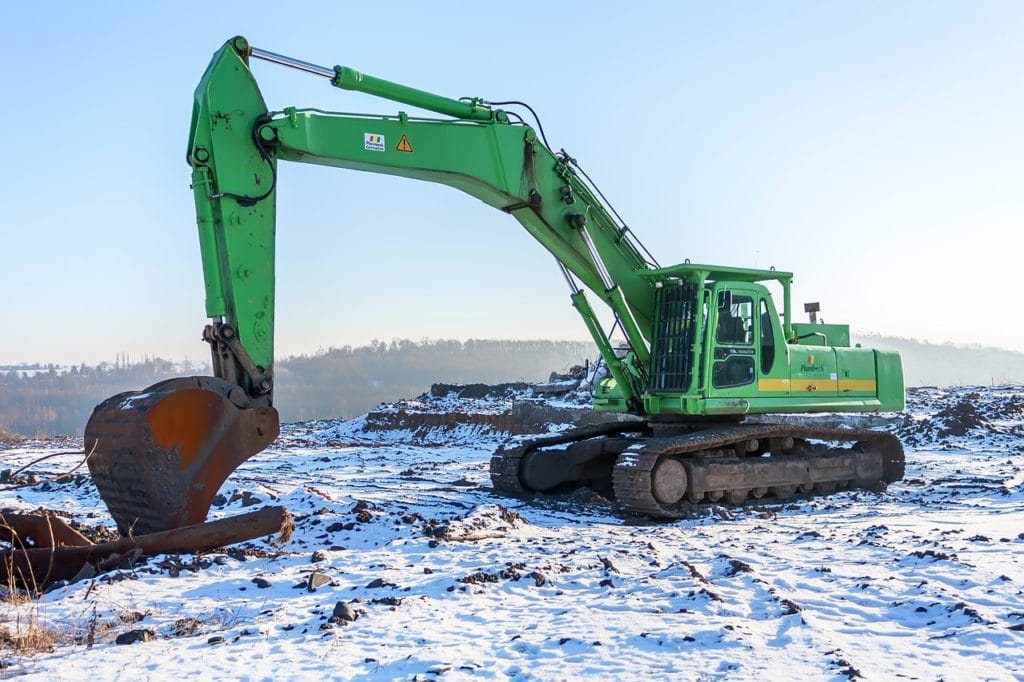
In addition, there is a possibility to contaminate underground water resources. Even in temperate weather conditions, traditional digging methods pose safety risks to existing pipelines, sewers, cables and other underground utilities. They are also extremely labor intensive as well as add risk to workers, especially in cold weather conditions.
Hydro excavation is a new technique that’s quickly becoming more popular because of the wide range of benefits and savings it provides. Hydro excavation reduces risk, decreases damage, lessens pollution, and increases accuracy and efficiency, making it a faster, better, safer choice all around, and even more so in cold climates.
6 Reasons why Hydro Excavation is Perfect for Cold Weather Projects
1. Heaters on Hydro Excavation Trucks
Hydro excavation trucks are equipped with water heaters so that the soil can be thawed using hot water, rather than burning coal or wood onsite. This ensures less pollution to the environment, and cost savings with reduction of labor and materials.
2. Updated Methods to Thaw Ground
Hydro excavation process involves hot water and air vacuum to thaw and dig through frozen soil. Since there is no necessity to manually thaw the ground using wood or coal burning methods, there is also less opportunity for causing fire or chemical hazards.
3. Non-Damaging Ways to Dig or Test in Cold Weather
With traditional digging, especially during winter, locating underground utilities was more of a hit or a miss, potentially causing damage to existing pipes, sewers and cables. Because hydro excavation does not damage the soil, it also does not damage any existing underground utilities.
4. Safe and Efficient Labor Processes
Because hydro excavation trucks can be located at a safer distance from the work site, as opposed to traditional diggers like backhoes or hand tools, workers can remain safe during excavation. In addition, the number of workers needed for hydro excavation is also far fewer than other digging methods.
5. Accuracy in Locating Utilities Under Frozen Ground
Using traditional excavation methods is less precise, causing additional cost in trying to locate underground utilities. Hydro excavation is far more accurate in exposing underground pipes, providing more control to the operators, even in frozen conditions or tight spaces.
6. No Need for Winter Downtime
Digging through hardened ground due to frost with traditional methods was doable, if inefficient. However, cutting through layers of ice was nearly impossible with the outdated techniques. With hydro excavators, even in cold climates like some parts of Canada and America, these projects can continue easily and efficiently.
Hydro excavation is a perfectly applicable solution for both smaller and larger projects, whether it’s for landscaping projects, new construction, plumbing or electrical projects, or even mining and drilling. Hydro excavators can operate under almost any conditions, with higher precision and accuracy, and less damage, risk and contamination.
If you are in need of hydro excavation services in cold months, or otherwise, learn more and contact us.
Recent Comments