


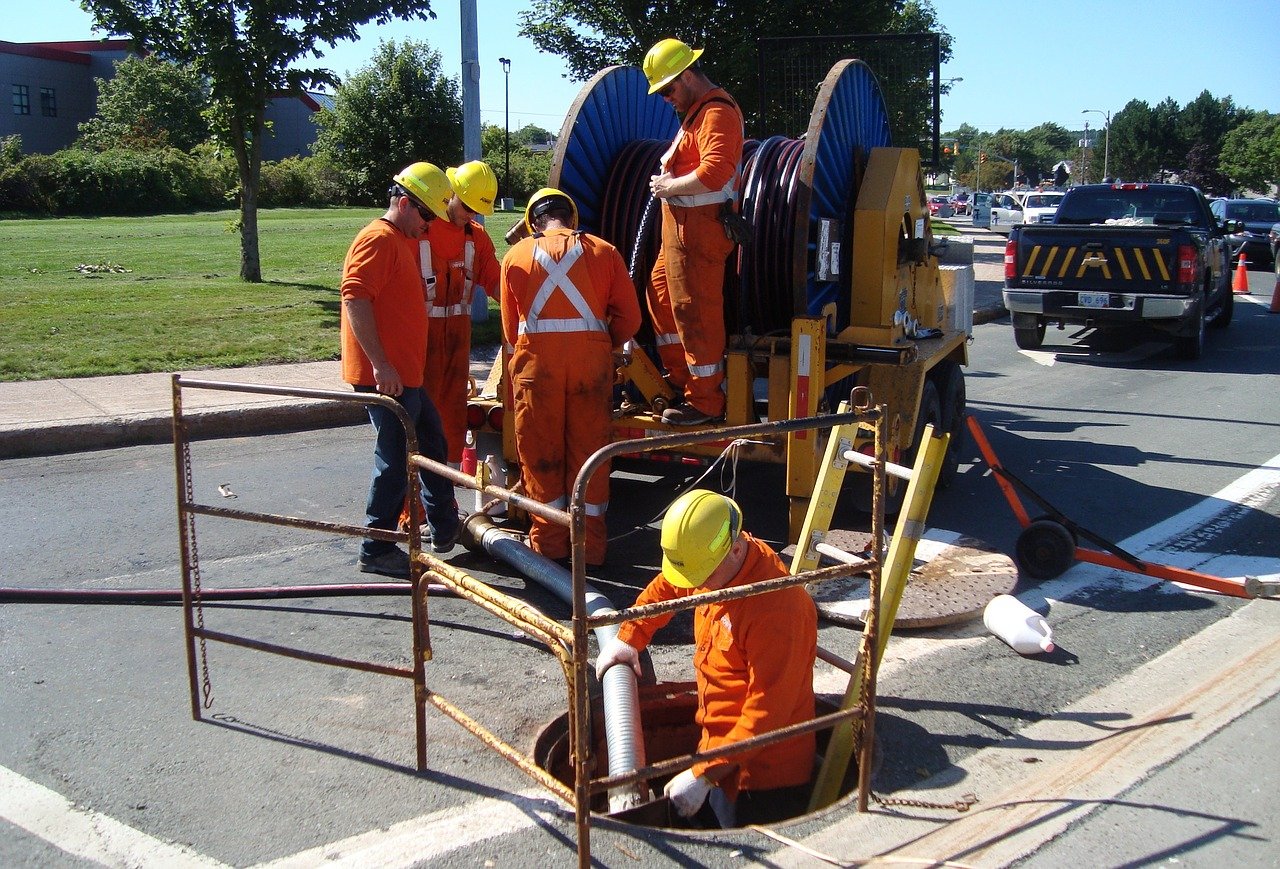
7 OctWhat To Include In A Confined Space Rescue Plan
Approximately, 2.1 million workers enter permit-required confined spaces each year. According to NIOSH, out of all the incidents that resulted in injuries or fatalities, 0% of them had a Confined Space Rescue Plan. The fatal accidents not only included people working in confined spaces, but also rescuers themselves.
To avoid these fatalities and to reduce the severity of accidents, it is imperative, as well as a legal requirement, to have a Confined Space Rescue Plan in place. A trained team of rescuers, equipped with a detailed rescue plan and emergency response procedures, will ensure that the rescuers have the ability to respond and conduct a rescue in a safe and timely manner.
Here’s what to include in a Confined Space Rescue Plan:
1. Evaluation of the type of permit-required confined space.
While every situation and space is unique, there are some general types of confined spaces, based on the type of entry, how restricted the space is, as well as the accessibility of the portal. Including this information in the rescue plan provides advance knowledge for the rescuers.
2. Identifying the method of rescue operation necessary for the space.
There are 3 types of rescue techniques. Non-entry technique is when the rescue operation may need to be performed by means of a rope or a winch. Entry by Others is an operation performed by personnel not trained in confined space settings. Entry by Trained Employees includes personnel who are specifically trained to conduct rescue operations.
3. Training and practice for the rescue team.
All rescue personnel must be fully trained prior to being put on a rescue team. Training must include practice situations with regards to equipment, elevation, entry and exit. Supplemental training must be provided to refresh emergency procedures.
4. Communication procedures in confined spaces.
Communication procedures should include how an emergency may be communicated between the confined space and the rescue team. They should also take into account weekend and night shift workers.
5. Fire Safety precautions including fire-fighting equipment
If there is a risk of fire in the confined spaces, fire safety procedures must be included in the rescue plan. Fire fighting equipment must also be made available.
6. Emergency services and operations.
The confined space rescue plan must also include procedures to communicate with local emergency service providers, such as emergency notifications, contacts, and other necessary information.
7. First Aid procedures
Rescue operators need to be fully trained in basic first aid procedures. Or first aid providers should be available and included in the rescue plan. First aid equipment should also be made available.
Creating a confined space rescue plan can be a complex, daunting task, however, it is also a necessary and required step if you have a permit-required confined space on the premises. it is advisable to seek professional help to avoid life and death situations.
Refer to OSHA’s website for more info about their standards and resources for Confined Spaces.
Recent Comments