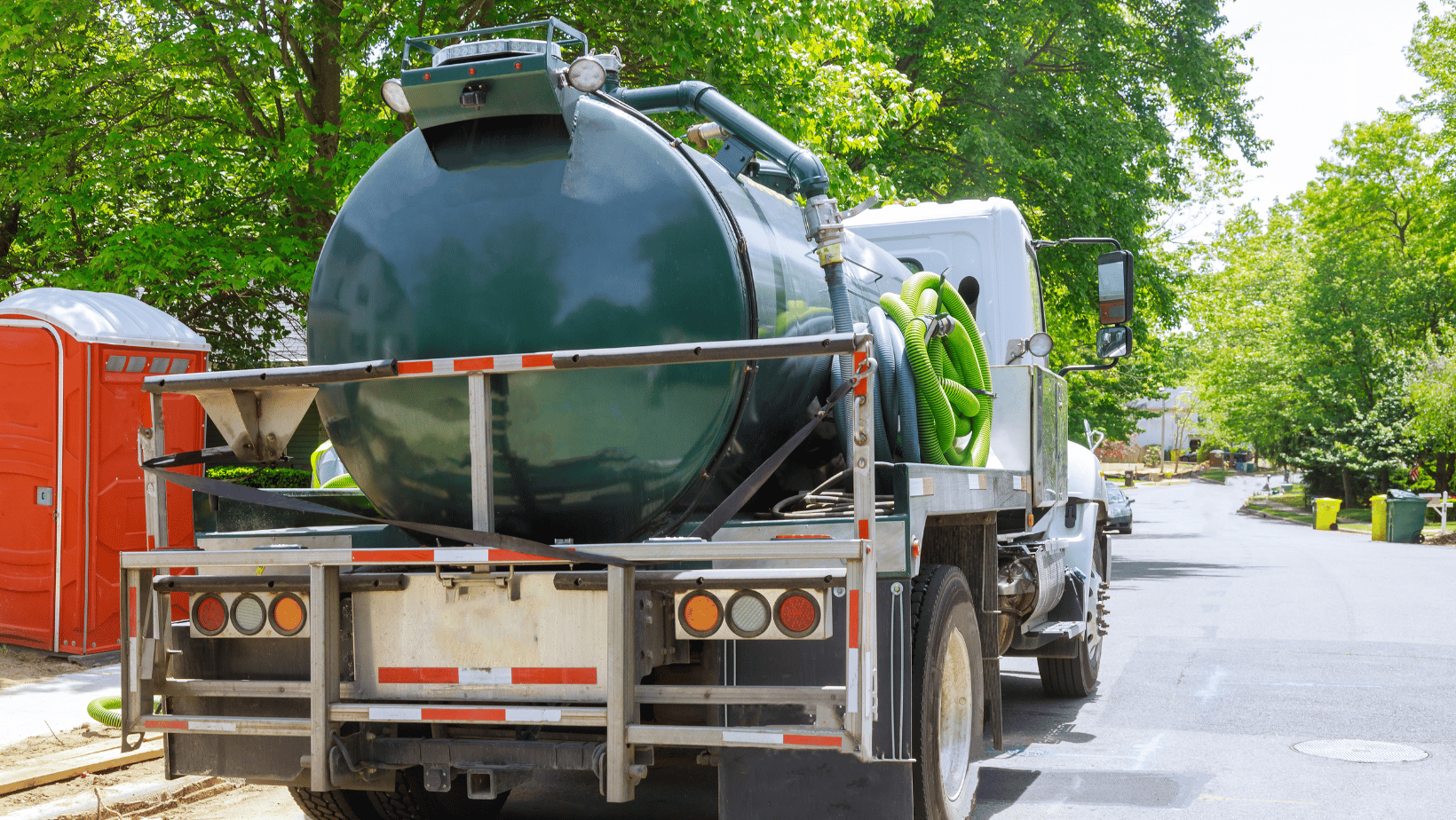
When you see them on highways or at work sites, you are certain to acknowledge a vacuum truck. It is a large, industrial truck that has holding tanks, pumps, and suction hoses. They assist cities and businesses remove material from underground, overhead, or from a distance. The following information will assist you in learning about a vacuum truck.
What are Vacuum Trucks Used For?
Vacuum trucks are utilized by cities to empty sewers and cesspools and to remove water and debris left after hydro-excavation or drilling activities. From clearing mud to expose utility lines to preventing sewer system overloads, vacuum trucks meet the demands of cities and industries requiring environmental cleaning, storage tank upkeep, and waste management.
Vacuum trucks are widely utilized for non-sterile waste removal. They may be utilized for cleaning streets, parks, or sewers, or wastewater lift stations. They may additionally be used to clean oil spills or other materials. Cleaning up fluids from various areas involves the use of vacuum trucks. After the materials are extracted from the tank, they are properly disposed of according to statutory requirements. Sewage is normally treated at a wastewater plant. Suctioning up rubbish or dry flotsam and jetsam is accomplished using channels to avoid air contamination.
How Vacuum Trucks Work
The key to a Vacuum Truck is the powerful pump that pulls air out of the tank. Once the air is removed, a vacuum force is created. As soon as you open the primary and secondary shutoff valves, the vacuum force in the tank attempts to equalize itself with the outside atmosphere and sucks up any fluids or liquids present. The fluid or liquid present in the lance is pulled into the tank if it is held and nailed in the air away from it. While this may sound relatively simple, a Vacuum Truck is an advanced industrial vehicle.
Types of Vacuum Trucks
The type of vacuum truck we provide depends on the demands of your company. You may need to use any one of the following vacuum trucks in order to remove and transport all types of hazardous, and nonhazardous sludge, liquids, wet products, and dry solids.
Industrial Vacuum Loaders
An industrial cleaning vacuum loader includes cyclones, drop boxes, and most importantly, a special filtration system that filters fine particles down so there is no carryover of material into the atmosphere. This is good for the environment and healthy for the operator, as some of these materials being vacuumed can be toxic and or acidic.
Hydro excavator Trucks
These are the most typical types of vacuum trucks. A strong, precise stream of water is used to break apart debris and pick it up with the vacuum component on hydro excavators. Sewers are often cleaned and disinfected using hydro excavators. Sewers and septic tanks may be regularly cleaned, ensuring clean, reliable sewage systems, in addition to ensuring clean waterways.
Combination Vacuum Trucks
A hydrostatic drive is usually included on combination units to enable them to switch back and forth between wet and dry operation. As the name suggests, these units can vacuum both wet and dry materials. It is possible to use a combination unit in a variety of different ways.
Vacuum Tanker
An industrial vacuum truck can handle a lot of work, but if you need more power, a vacuum tanker is the next step. Tankers can pump, hold, and transfer a variety of liquids and sludges at higher capacities than vacuum trucks.
Getting the job done effectively and accurately with a vacuum truck is not only possible, it's also practical and efficient. Whether you need to clean up after a storm, remove debris, or set the groundwork for crucial utilities, a powerful and precise machine can make a huge difference in your work. We can provide you with cost estimates for vacuum truck services, give us a call today.


Recent Comments