Universal waste falls under the category of waste materials called hazardous waste. These wastes contain common materials, widely produced by households and businesses, making universal waste disposal a big challenge. People often don't think much about universal waste management, but it holds great importance. It's a step closer to making the environment cleaner. You can help make the environment cleaner by understanding what universal waste is and how you can dispose of it properly. There are many categories for universal waste, but overall, they can be limited to five types of waste:
Batteries and Electronic Devices
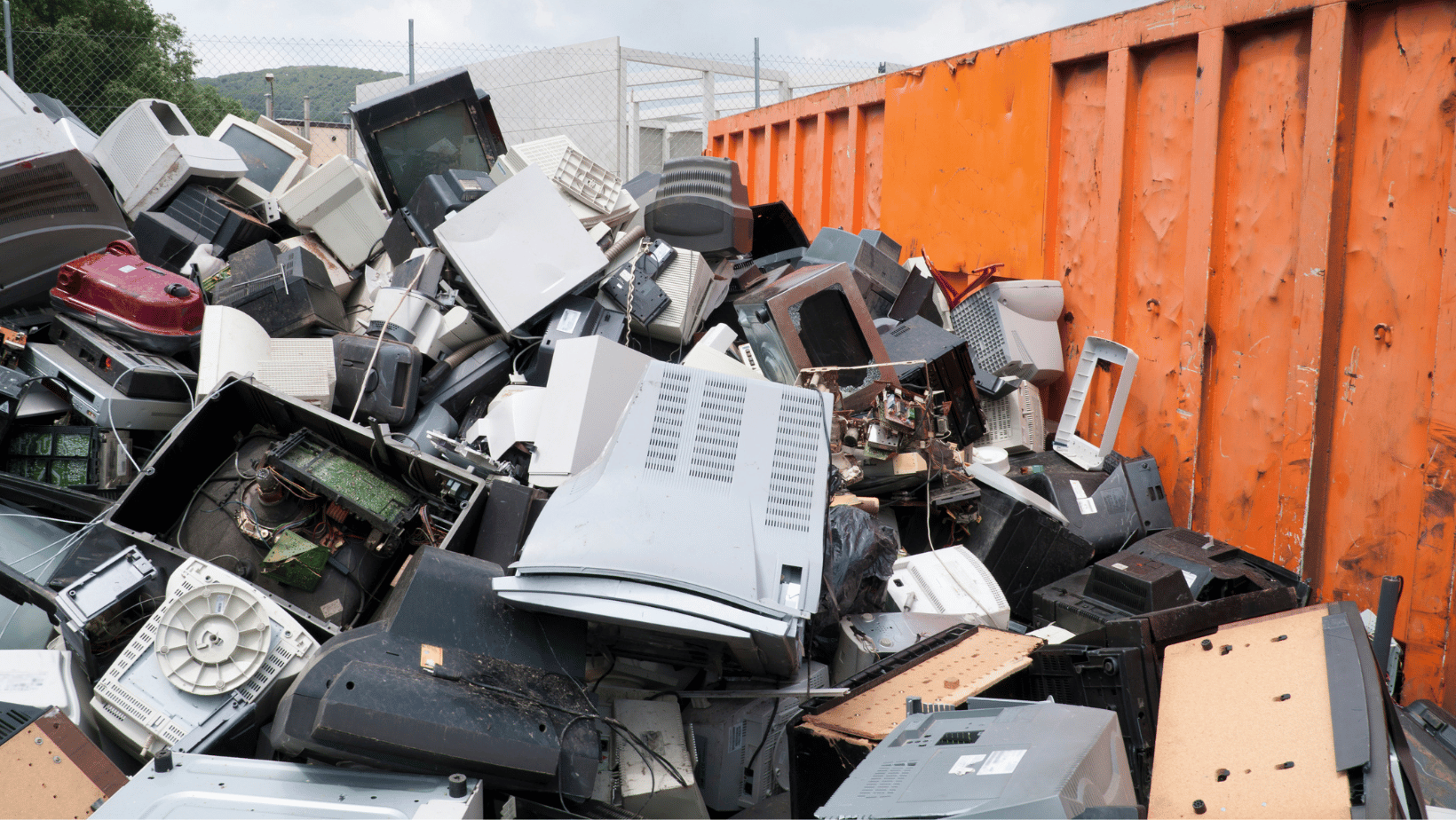
This category includes most household-type batteries, such as lithium, silver ion, nickel-cadmium (Ni-Cad), mercury-oxide, sealed lead-acid batteries, or any other type of battery that exhibits properties of hazardous wastes. Any electronic device, with or without a cathode ray tube (CRT) is considered universal waste, such as VCRs, TVs, desktop computers, cell phones, CPUs, and portable DVD players.
Pesticides
Under this category are suspended or canceled pesticide stocks that are part of a mandatory or voluntary recall. In addition, it can be any substance that is intended to destroy, repel, prevent, or mitigate any pest. Also, any material meant to be used as a plant defoliant, regulator, or desiccant is a universal waste pesticide. Check out the Code of Federal Regulations for some more information about universal waste pesticides with their exceptions.
Mercury-Containing Equipment
Devices having elemental mercury as an integral part of their function are universal waste. Some common examples of this category are mercury thermometers, pressure or vacuum gauges, thermostats, mercury switches, and mercury-added novelties, such as jewelry and footwear.
Lamps
Neon, fluorescent, high-pressure sodium, mercury vapor, high-intensity discharge, metal halide, or any other type of lamp that shows characteristics of hazardous waste (e.g., lead) is a form of universal waste. Businesses that produce such waste need to provide for their proper disposal, and we help them do it seamlessly with our universal waste management services.
Nonempty Aerosol Cans
An aerosol can is a nonrefillable vessel that contains gas in the compressed, liquefied, or dissolved form. Aerosol cans are considered universal waste because they frequently contain hazardous, flammable propellants like propane or butane. Exceptions include aerosol cans that don't show any hazardous waste characteristic as per 40 CFR part 261 subpart C or don't contain a substance categorized as hazardous waste in 40 CFR part 261 subpart D.
Universal waste management and disposal are two of the main challenges faced by society. It becomes even more difficult since universal waste can be found in every household — and the scale only gets bigger when businesses are included. One needs to follow special guidelines for universal waste disposal because of its hazardous nature. It's dangerous if you dispose of it in municipal solid waste landfills and incinerators. But worry no more since PROS Services has got you covered. Get in touch with us if you're looking for a universal waste management partner. We will take care of the rest.


Recent Comments